
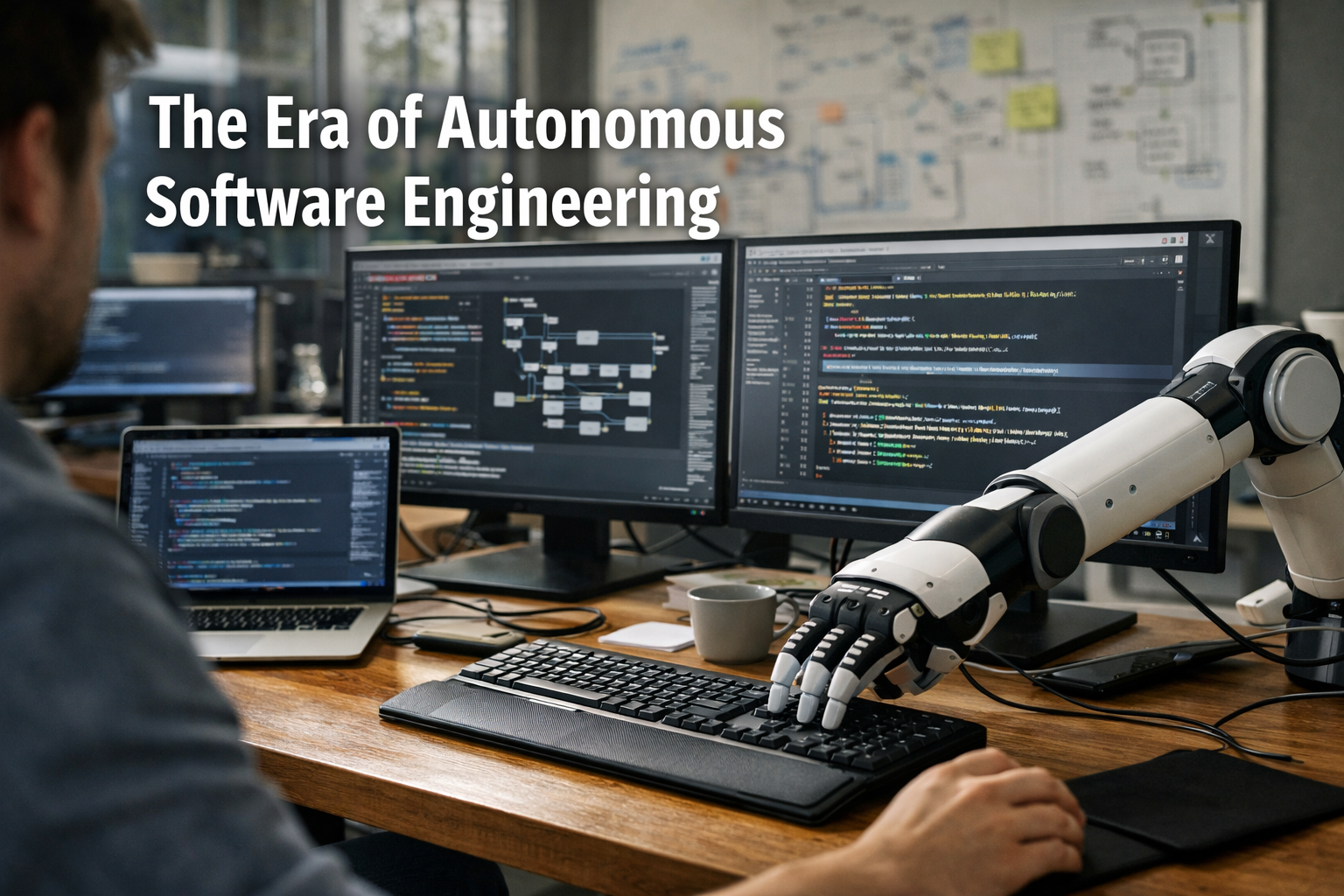
OpenAI has launched GPT‑5.3‑Codex, a specialized model aimed at taking on more of the software development lifecycle, from writing code to deployment, testing, and documentation. The tool builds on earlier Codex models but is positioned as a more autonomous assistant that can manage complex engineering workflows rather than just generating snippets of code.
GPT‑5.3‑Codex is designed to support tasks such as planning architectures, refactoring legacy codebases, writing tests, and producing technical documentation in a coordinated way. According to early reports, the model can also help produce related artifacts like slide decks and spreadsheets that summarize project progress or technical decisions. This is meant to reduce the overhead that typically surrounds large software initiatives.
A notable claim is that GPT‑5.3‑Codex played a role in improving itself during training, using feedback from its own outputs to refine performance. While details of this self‑improvement process remain limited, the messaging underscores OpenAI’s focus on increasingly autonomous systems that can optimize their own capabilities.
The release comes as enterprises seek to cut development timelines and reduce engineering costs by automating repetitive coding and documentation tasks. GPT‑5.3‑Codex is targeted at teams that want a single AI assistant able to understand their repositories, follow internal standards, and integrate with DevOps pipelines. OpenAI’s positioning suggests that the model is intended not just for individual developers, but for organizations standardizing AI across large engineering departments.
Competition is growing in this domain, with rivals emphasizing code quality, security, and explainability. OpenAI’s strategy appears focused on offering a broad, integrated tool that fits into wider enterprise AI initiatives built around its models.